Nature of Change
Change is almost always disruptive, but often leads to improvement and opportunity for leaders with vision
Musings from someone whose thoughts are often in a place he hasn’t lived for a long time.

A Lengthy Introduction

Change is almost always disruptive, but often leads to improvement and opportunity for leaders with vision
It’s impossible lately to avoid reading or hearing about the future implications of Artificial Intelligence (“AI”). Regardless of qualification, everyone seems to have an opinion on where this technology is taking us—…
A general course-description and links to materials I use to teach Continuous Improvement culuture and methodology to undergrads

One of the many highlights of my Residency at Central College. Plus, doesn’t everyone need a podcast?
Read Lately
Month
July 2026
Author and date
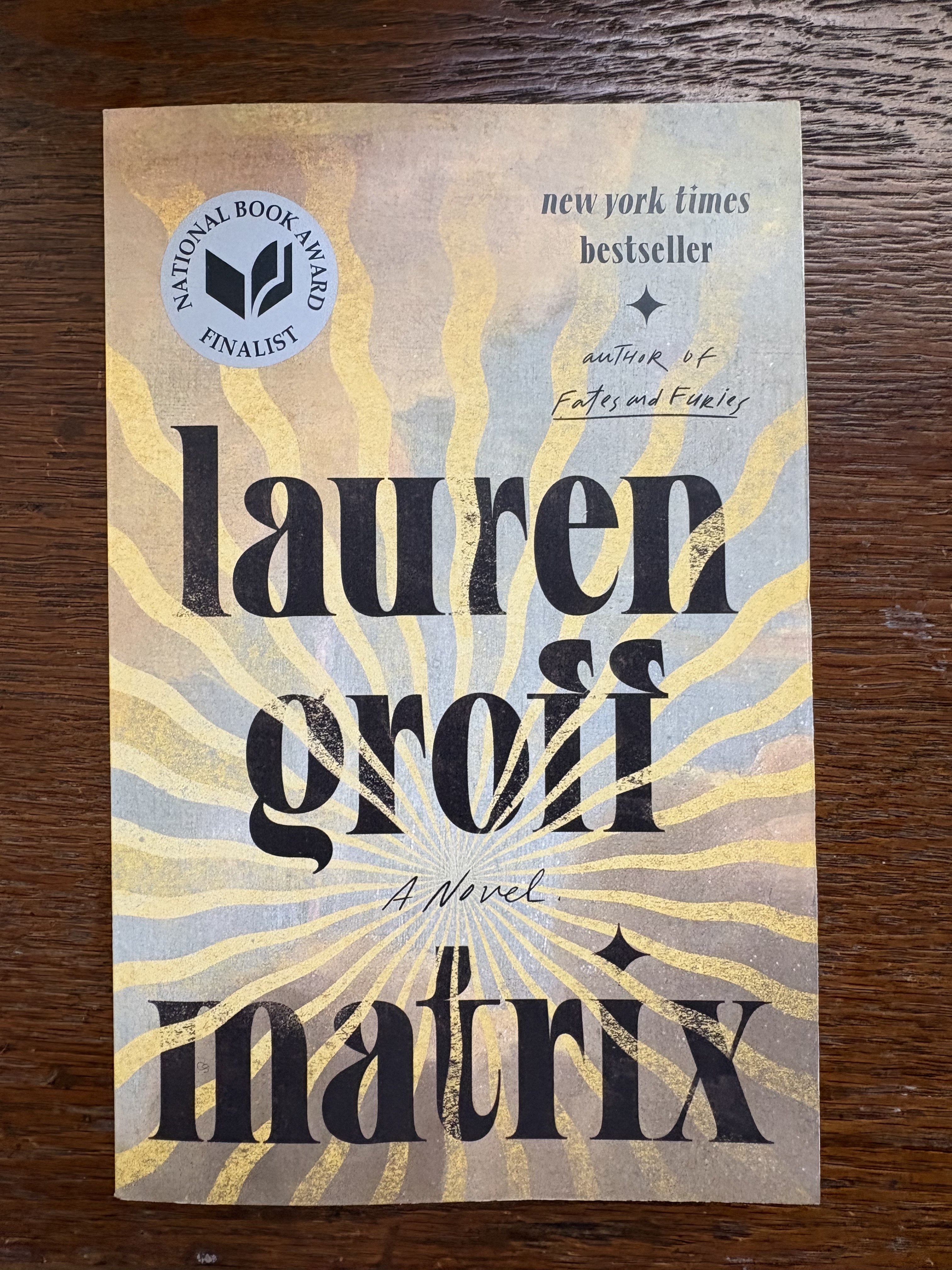
Lauren Groff, 2021
I’m just beginning to read Matrix this month… for the third time. I am a huge fan of Groff’s work, but I’m re-reading Matrix, not just for pleasure. I’ll be using it as the topic of the Honors Seminar I’m teaching this fall at Central College.
Groff’s approach to this piece of historical fiction is in itself fascinating. She takes a historical figure known as “Marie of France”. Scholars know almost nothing about Marie, other than she identifies herself as such in the prologue of one of a collection of epic poems that are believed to be the earliest known poetry written by a woman in French. From that historical kernel, Groff constructs the story of an illegitimate offspring of King Henry II, who, at the age of 17, is banished from Court and sent by Eleanor of Aquitaine to become an abbess in 11th century rural England. Love, adventure and both triumphs and failures in leadership then unfold over the next six decades as Groff describes the evolution of the abbey from a backwater misfit haven to regional economic and security powerhouse.
Leadership, at its essence, is the process of mobilizing a group of people to accomplish a shared goal and vision. Whether or not Groff intended to do so, I think she has authored an outstanding leadership case study, wrapped in a gripping piece of fiction.